
Best Moisture Wicking Hunting Clothes 2026 Buyer's Guide
Best Moisture Wicking Hunting Clothes 2026 Buyer's Guide
Table of Contents
- What Makes Moisture Wicking Hunting Clothes Worth the Investment
- Best Hot Weather Hunting Gear: Top Picks for Staying Cool and DrySynthetic Base Layers for Fast DryingMerino Wool Options for Natural Temperature ControlHybrid Vests for Layering Flexibility
- How to Choose Hunting Clothes for Heat: Key Features to Look For
- Synthetic vs. Natural Fiber Performance in Hot Conditions
- Fabric Care and Maintenance for Long-Term Durability
- Body Mapping Technology and Breathability Design
- Verdict: Which Moisture Wicking Hunting Clothes Fit Your Needs
Last Updated: August 14, 2026
What Makes Moisture Wicking Hunting Clothes Worth the Investment
Staying dry matters more than most hunters realize. When you're in the field for hours, sweat builds up faster than cotton can handle. Moisture wicking hunting clothes pull that sweat away from your skin and let it evaporate, keeping you comfortable and regulating your core temperature. A hunter who stays dry stays focused, moves quieter, and lasts longer in the field.
Not all moisture wicking fabrics perform equally. Some dry fast but retain odor. Others regulate temperature beautifully but cost more. Some are loud when you move through brush. At Backwater Outfitters, we understand that hunting demands gear built for real conditions, not just marketing claims. This guide breaks down what actually matters when choosing moisture wicking hunting clothes and shows you which products deliver real value for different hunting situations.
The difference between adequate and exceptional gear often comes down to fabric choice and construction. Synthetic base layers dry fastest and cost less, but merino wool options manage moisture and temperature better for extended wear. Hybrid designs combine insulation with breathability. Understanding these tradeoffs helps you match gear to your hunting style, climate, and budget.
Best Hot Weather Hunting Gear: Top Picks for Staying Cool and Dry
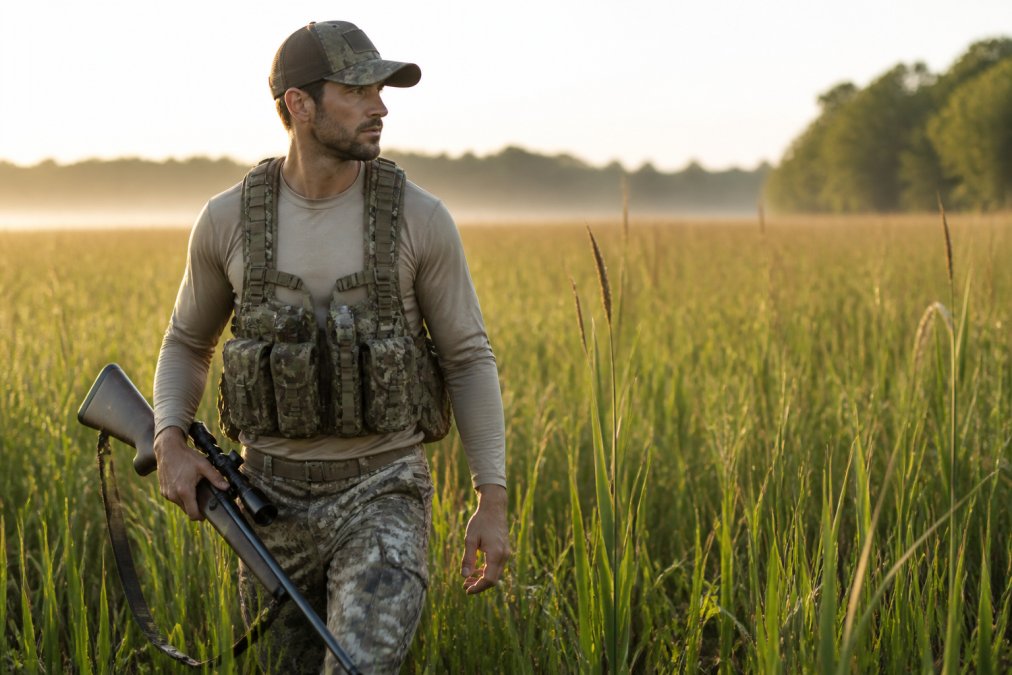
Early season hunts demand gear that handles heat and high activity. When temperatures climb and you're covering ground, moisture wicking becomes critical. The best hot weather hunting gear balances breathability, quick drying, and quiet movement through brush.
Synthetic Base Layers for Fast Drying
Synthetic fabrics excel at moving moisture away from your skin and drying faster than any other material. When you're active and sweating heavily, synthetic base layers pull sweat outward through the fabric where it can evaporate. Polyester-based synthetics like those in the Sitka Core Lightweight Crew and Forloh Deep Space Base Layer are engineered for this job, wicking moisture efficiently and drying in minutes after washing. Many come treated with antimicrobial technology (like Polygiene) to reduce odor during extended wear.
The tradeoff is real. Synthetics don't regulate temperature the way merino wool does and are less quiet than wool when brushing through heavy vegetation. But if your priority is drying fast and moving freely in heat, synthetic base layers are the practical choice.
Merino Wool Options for Natural Temperature Control
Merino wool works differently than synthetics. Instead of just pushing moisture outward, merino absorbs moisture into the fiber itself, then releases it slowly as it evaporates. This creates a stable microclimate against your skin. Merino naturally resists odor, meaning you can wear the same layer for multiple days without washing.
The KUIU Peloton 118 LS Crew-T uses ultralight merino blended with Nuyarn technology for stretch and durability. The 17.5-micron fiber is soft enough to wear directly against skin without irritation. Eyelet-knit side panels add targeted breathability where you need it most. Merino keeps you warm even when damp, which matters if you cross water or encounter unexpected weather.
The cost is higher than synthetics, and merino wool is more delicate, so care matters. But for hunters who value temperature regulation, scent control, and the ability to wear gear longer between washes, merino wool delivers performance that justifies the price.
Hybrid Vests for Layering Flexibility
Sometimes you need insulation in your core while keeping your arms and sides free for movement. Hybrid vests solve this by combining insulated panels with moisture-wicking, breathable side panels.
The Drake Waterfowl Eqwader Vest pairs waterproof insulation in the shoulders and chest with moisture-wicking lower body fabric. This design keeps your core warm while letting sweat escape from your sides and underarms. Hybrid vests excel at layering, wear one over a synthetic base layer in cool early morning, then peel it off as the day heats up. The breathable side panels prevent sweat buildup even when the vest is on.
How to Choose Hunting Clothes for Heat: Key Features to Look For
Picking the right moisture wicking hunting clothes means understanding which features actually matter for your conditions.
Breathability and ventilation matter most in heat. Look for fabrics with open weaves or mesh panels that let air move through. Avoid tight, dense weaves that trap heat.
Moisture transport speed determines how quickly sweat moves away from your skin. Synthetic fabrics transport moisture fastest. For high-exertion hunts in heat, faster transport wins.
Weight of the fabric affects both breathability and durability. Ultralight fabrics (under 120 g/m²) breathe better but wear faster. For hot weather, lighter is usually better.
Stretch and fit matter for movement and noise. Tight, stretchy fabrics move with you and stay quiet. Consider your hunting style, active stalking benefits from tight fit; stationary hunting can use looser designs.
Seam construction affects both comfort and durability. Flat-seam construction reduces chafing during long days. Reinforced seams last longer under hard use.
Antimicrobial treatment extends the time between washes. For extended hunts, this feature saves weight and hassle.
| Feature | Synthetic | Merino Wool | Why It Matters |
|---|---|---|---|
| Drying Speed | Very fast (minutes) | Moderate (hours) | Fast drying keeps you comfortable in heat |
| Temperature Regulation | Basic | Excellent | Merino adapts; synthetics don't adjust |
| Odor Resistance | Requires treatment | Natural | Matters for multi-day hunts |
| Durability | High with care | Moderate | Synthetics outlast merino in abrasion |
| Cost | Lower | Higher | Budget determines material choice |
| Noise | Moderate | Quiet | Matters for stalking hunts |
Synthetic vs. Natural Fiber Performance in Hot Conditions
Synthetic base layers win on speed and cost. Polyester dries in minutes, costs less, and handles abuse better. If you run hot and sweat heavily, synthetics keep you dry faster than anything else.
Merino wool wins on comfort and versatility. It regulates temperature better, so you stay comfortable across a wider range of conditions. It's naturally antimicrobial, allowing longer wear without washing. For hunters moving between temperatures or hunting multiple days without resupply, merino's adaptability matters.
The real difference emerges during extended hunts. Synthetics dry fast but don't adapt if conditions change. Merino wool manages temperature swings better. On a hunt where you start in cool morning air, heat up during midday activity, then cool down in evening, merino wool keeps you comfortable through all of it.
Cost matters too. Synthetic base layers typically cost less than merino. If you're outfitting yourself with multiple layers for different seasons, synthetics let you build a complete system for less money.
Fabric Care and Maintenance for Long-Term Durability
How you care for moisture wicking hunting clothes determines how long they actually last. Technical fabrics need different treatment than regular clothing.
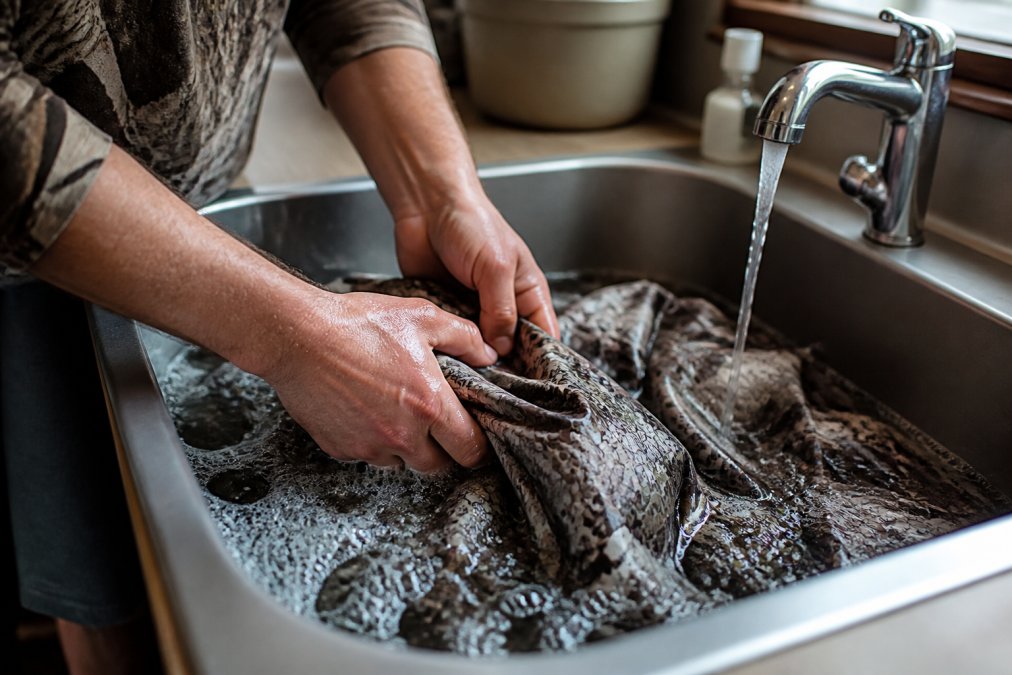
Wash in cool water, not hot. Hot water breaks down the fibers and damages moisture-wicking properties. Use mild detergent designed for technical fabrics. Avoid fabric softener entirely, it coats the fibers and prevents moisture from wicking properly. Same goes for bleach.
Dry on low heat or air dry. High heat damages synthetic fibers and causes merino wool to pill. For merino wool specifically, hand washing is gentler than machine washing. Never wring merino wool; squeeze out excess water gently.
Synthetic base layers are more forgiving. Machine wash on cold, gentle cycle works fine. Store gear clean and dry. Wash technical gear within 24 hours of heavy use to prevent permanent odor and mildew.
Body Mapping Technology and Breathability Design
The best moisture wicking hunting clothes aren't just made of good fabric, they're designed with intention. Body mapping technology places different fabrics in different areas based on where you sweat most and where you need breathability.
Hillman's Synertech technology combines merino wool on the outside with bamboo viscose on the inside. The bamboo layer absorbs moisture three times faster than the outer layer, then the merino releases it. KUIU's eyelet-knit side panels use a more open weave than the front and back, creating targeted ventilation where your body generates the most heat.
Targeted breathability matters because you don't sweat evenly. Your back, armpits, and sides generate more heat than your chest and shoulders. Good design puts dense, insulating fabric where you need warmth and open, breathable fabric where you need ventilation.
Stretch panels in key areas (shoulders, underarms, groin) improve movement and reduce noise. When fabric stretches with you instead of against you, it stays quiet. The difference between generic base layers and purpose-built hunting gear often comes down to this kind of detail.
Verdict: Which Moisture Wicking Hunting Clothes Fit Your Needs
Choosing the right moisture wicking hunting clothes depends on how you hunt, where you hunt, and what conditions you typically face.
If you hunt early season in heat and move fast, synthetic base layers are your answer. Sitka Core Lightweight Crew and Forloh Deep Space Base Layer dry quickly, cost less, and handle the abuse of active hunting.
If you hunt in variable conditions or spend multiple days in the field, merino wool is worth the extra cost. KUIU Peloton 118 LS Crew-T and Hillman 2BL Merino Wool Base Layer T-Shirt regulate temperature better and resist odor longer.
If you hunt waterfowl or situations where you need core warmth without full-body insulation, hybrid vests like Drake Waterfowl Eqwader Vest solve the problem.
For most hunters, the answer is owning pieces from multiple categories. Start with one synthetic base layer for early season high-activity hunts. Add merino wool for hunts where you'll be in the field longer or in variable conditions. Consider a hybrid vest for layering flexibility.
The investment in quality moisture wicking hunting clothes pays back through comfort, performance, and durability. Gear that keeps you dry keeps you focused. Gear that regulates temperature keeps you hunting longer. Backwater Outfitters understands that hunters need gear built for real conditions. Our approach focuses on designs inspired by hardworking outdoor people, with high-quality construction that handles the demands of the field. Whether you're choosing your first set of technical base layers or building a complete system, match the fabric to your hunting style, choose construction that supports your movement, and invest in durability that lasts.
Frequently Asked Questions
What is the best hunting shirt for hot weather?
The best hot weather hunting shirt combines lightweight, breathable fabric with effective moisture-wicking properties. Look for synthetic base layers like the Sitka Core Lightweight Crew or merino wool options such as the KUIU Peloton 118 LS for superior sweat management. Ultralight fabrics under 120 g/m² and mesh venting panels maximize airflow during high-exertion hunts. Choose shirts with eyelet-knit side panels and stretch panels for ventilation without sacrificing durability or scent control.
How do you choose the right moisture wicking hunting clothes for your climate?
Start by assessing your activity level and expected temperature range. For high-exertion hunts in heat, synthetic blends dry fastest and resist odor with treatments like Polygiene. For extended multi-day trips where weight matters, merino wool or merino-bamboo blends offer superior thermoregulation and natural antimicrobial properties. Check fabric weight (ultralight options under 150 g/m² work best for warm weather), breathability features like mesh panels, and whether the garment includes body mapping technology for targeted ventilation in high-sweat zones.
Are synthetic fabrics better than merino wool for hot weather hunting?
Both have strengths depending on your situation. Synthetics like polyester dry significantly faster and typically cost less, making them ideal for high-activity hunts where sweat management is critical. Merino wool provides superior natural temperature regulation, odor resistance without chemical treatment, and quieter performance in dense brush. For pure hot-weather performance, synthetics edge ahead in drying speed, but merino wool blends offer better comfort on multi-day hunts where you won't wash between days. The best choice depends on your hunt duration and activity intensity.
What makes Backwater Outfitters moisture wicking hunting clothes different from other brands?
Backwater Outfitters designs gear specifically for hardworking outdoor people who demand durability in rugged conditions. Our community-focused approach means we understand what hunters and fishermen actually need in the field, from proper pockets to cuts that work for active pursuits. While competitors focus on minimalist designs, Backwater Outfitters balances technical performance with practical features that support extended days in mud, water, and brush. Check our website for current product offerings and real customer photos showing how our gear performs in actual hunting and fishing situations.
The right moisture wicking hunting clothes transform how you hunt. Instead of managing sweat and discomfort, you focus on the hunt itself. Backwater Outfitters' rugged, high-quality apparel is designed for outdoor enthusiasts who demand gear that performs in real conditions. Explore our collection of hunting apparel and discover why hunters choose gear built for the lifestyle. [EXTERNAL_LINK: Learn more about technical fabric performance in hunting gear | outdoor.gov]
This article was written using GrandRanker