

Best Nomad Outdoor Alternatives for Hunters
Table of Contents
- Why Hunters Look Beyond Nomad Outdoor
- Top Nomad Outdoor Alternatives for Hunters
- Best Budget Camo for Hunting Without Premium Pricing
- Best Scent-Blocking Hunting Clothes for Whitetail Success
- Material Durability and Fabric Technology Comparison
- Layering Systems for Variable Hunting Conditions
- Field-Tested Durability and Real-World Performance
- Sustainability and Repairability in Hunting Apparel
Last Updated: August 13, 2026
Why Hunters Look Beyond Nomad Outdoor
When you're serious about hunting, your gear can make or break the season. Nomad Outdoor has built a reputation for quality apparel, but many hunters search for alternatives because they need something more specialized, differently priced, or built for their specific hunting style. Hunting apparel must provide genuine concealment, manage moisture and temperature across long days, stay quiet near game, and hold up through seasons of hard use. Not every brand nails all of these equally. This guide breaks down the best alternatives to Nomad Outdoor by what matters in the field: performance, budget, technical features, and real-world durability.
Top Nomad Outdoor Alternatives for Hunters
Performance and Concealment Focus
Sitka Gear represents the premium end of performance-focused hunting apparel. Their specialized camo patterns are designed for specific regions and seasons, combined with technical fabrics engineered for silent movement. Articulated fit accounts for actual hunting positions, and outer shells use quiet, durable materials that won't rustle when moving through brush.
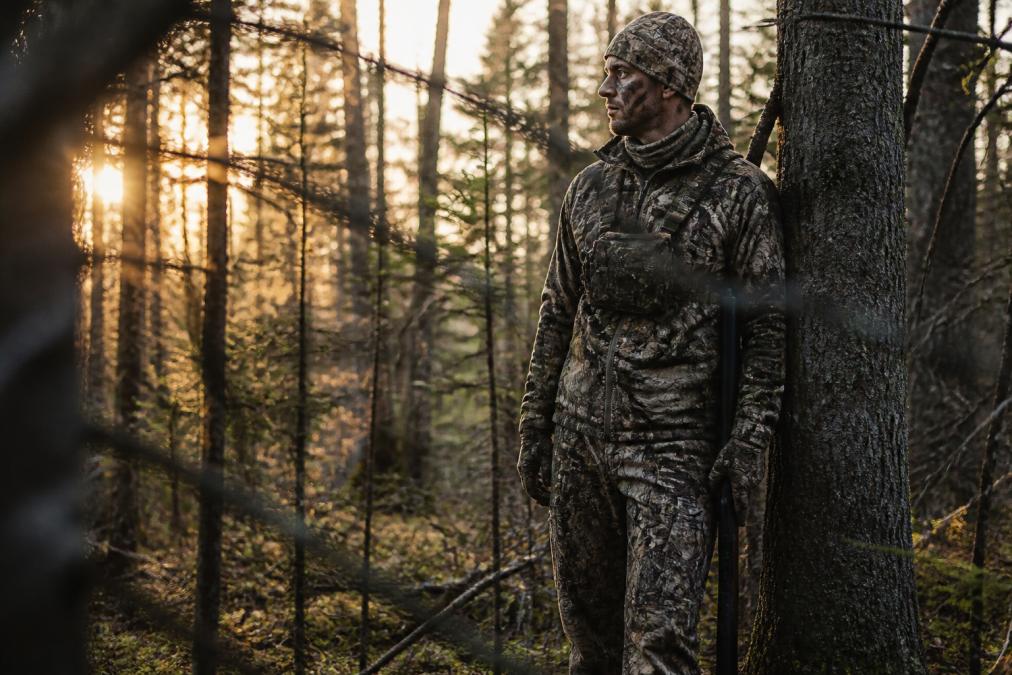
First Lite builds apparel around sound management, engineering fabrics to be genuinely quiet, critical when within 20 yards of your target. Their camo patterns are field-tested across various hunting conditions, and bibs feature reinforced areas where wear happens fastest. Jackets integrate scent-blocking technology for whitetail hunters, with mid-layers using synthetic insulation that maintains loft even when damp.
Kuiu focuses on ultralight technical gear without sacrificing durability. For hunters who move frequently, glassing hillsides, or switching between stands, Kuiu reduces weight while maintaining performance. Their camo patterns are designed for specific elevations and vegetation types, with base layers emphasizing antimicrobial treatments to manage odor during extended field time.
Budget-Conscious Options
Carhartt remains practical for hunters valuing durability without premium pricing. Canvas and duck fabrics are genuinely tough and outlast most hunting seasons.
Mossy Oak offers hunting-specific apparel at moderate pricing. Their camo patterns are widely recognized and field-tested across multiple hunting scenarios. Gear tends toward heavier fabrics and traditional construction rather than modern technical features, but performs reliably in the field.
Huntworth focuses on delivering hunting-specific features at competitive prices, including moisture-wicking base layers, quiet outer shells, and proven camo patterns.
Premium Technical Gear
Filson brings heritage craftsmanship to technical hunting apparel, emphasizing durability through quality construction. Layering systems integrate natural and synthetic materials for temperature regulation, with treated fabrics providing weather protection without sacrificing breathability.
Orvis combines technical apparel with a comprehensive hunting gear ecosystem. Their clothing features advanced moisture-wicking systems, wind-blocking outer shells, and thoughtful design details developed through hunting heritage.
Cabela's offers broad-range hunting apparel at multiple price tiers. Premium lines use technical fabrics and specialized camo patterns, with the advantage of selection across price points within a single retailer.
Best Budget Camo for Hunting Without Premium Pricing
Finding effective budget camo means understanding which features matter for your hunting situation. You don't need modern technical fabrics to be effective, you need a camo pattern matching your environment and apparel that doesn't interfere with movement.
Standard Mossy Oak and Realtree patterns are proven across multiple hunting conditions and widely available at reasonable prices. These patterns have been tested by thousands of hunters and work reliably for whitetail, upland game, and waterfowl.
For base layers, standard moisture-wicking synthetics perform well without premium pricing. Brands like Under Armour make functional base layers that handle thermal regulation without antimicrobial treatments or hunting-specific engineering.
Mid-layer options on a budget mean synthetic insulation or fleece. Synthetic insulation maintains loft when damp, which matters in humid conditions. Standard fleece works fine for layering if you're not hunting in extremely cold conditions.
Outer shells don't need to be silent to be effective. A basic waterproof outer layer in a camo pattern will shed rain and wind. Standard nylon or canvas outer shells cost less than engineered quiet fabrics and still function in the field.
Focus on what your specific hunting situation requires. If hunting from a stationary stand, you don't need highly articulated fit. If moving through brush, quiet fabrics matter more. Match your budget gear to your actual hunting style for better value.
Best Scent-Blocking Hunting Clothes for Whitetail Success
Whitetail hunting demands attention to scent management because whitetail rely heavily on smell to detect danger. The best scent-blocking hunting clothes integrate antimicrobial treatments, carbon technology, or other odor-reduction systems into base layers and mid-layers where they're most effective.
Scent management works through antimicrobial treatments on base layers that reduce bacteria creating odor from sweat, carbon-lined fabrics that absorb odor compounds, and sealed seams that minimize odor leakage. The most effective systems combine multiple approaches.
For whitetail, scent-blocking matters most in base layers and mid-layers closest to your skin where odor production is highest. A scent-blocking base layer worn under a standard outer shell provides significant odor reduction without requiring premium outer layers.
Brands like First Lite, Sitka, and Kuiu offer scent-blocking technology in base layer systems at costs less than full premium gear systems. If budget is limited, prioritizing scent-blocking base layers over scent-blocking outer shells gives better returns on investment.
Synthetic insulation in mid-layers typically holds odors less readily than down insulation, which is why many whitetail-focused gear systems use synthetics. A synthetic insulated mid-layer with antimicrobial treatment provides both thermal regulation and odor management.
Scent-blocking effectiveness depends on maintenance. Washing gear in scent-free detergent, drying without fabric softener, and storing in sealed bags away from household odors all contribute to scent management.
Material Durability and Fabric Technology Comparison
Synthetic fabrics dominate modern hunting apparel because they offer multiple advantages for field use. Polyester-based synthetics dry quickly, maintain performance when damp, and resist mildew. Nylon provides durability and wind resistance. Spandex blends add stretch for articulated fit. These combinations handle moisture and temperature swings better than natural fibers alone.
Synthetic insulation maintains loft even when damp, making it more practical for hunting in humid or wet conditions than down insulation, which loses loft when wet. The trade-off is that synthetic insulation is heavier than down for equivalent warmth.
Quiet fabrics use specialized weaves and treatments to minimize noise during movement. These fabrics are denser and often slightly heavier than standard outdoor fabrics. The quiet benefit is real when moving through brush near game, but it comes with added weight and slightly reduced breathability.
Water-resistant shells shed light rain and morning dew while allowing better air circulation than fully waterproof shells. For hunting, water-resistant shells often work better because they balance weather protection with breathability during active movement.
Abrasion resistance matters for durability. Hunting gear gets rubbed against brush, tree bark, and rough terrain. Fabrics with reinforced areas in high-wear zones last longer than uniform construction.
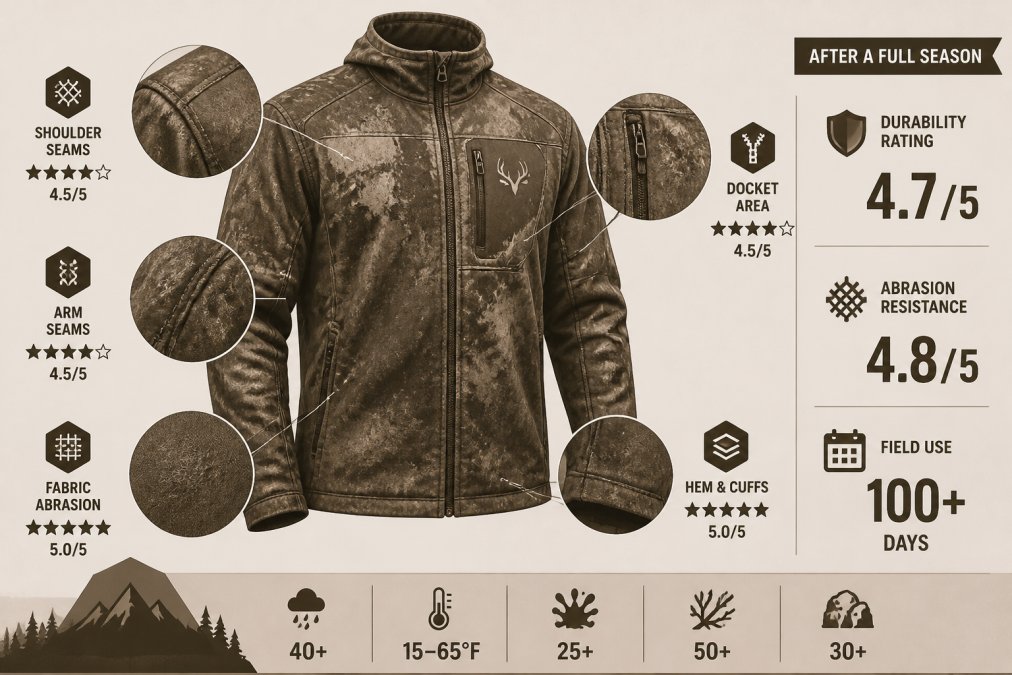
Construction quality determines how long gear lasts. Reinforced seams, quality thread, and proper stitch patterns hold up better than standard construction. Many premium hunting brands use reinforced stitching in stress areas.
Layering Systems for Variable Hunting Conditions
Effective layering includes base layers, mid-layers, and outer shells designed to work together for thermal regulation and moisture management.
Base layers manage moisture from sweat. Synthetic base layers wick moisture away from skin and dry quickly. Merino wool base layers provide natural antimicrobial properties and temperature regulation. The best base layer depends on your activity level: high-output activities need aggressive moisture wicking, while stationary hunting can use lighter base layers.
Mid-layers provide insulation and additional moisture management. Synthetic insulation maintains warmth even when damp, critical in humid hunting conditions. Fleece mid-layers offer good insulation at moderate weight. A quality mid-layer system includes options for different temperature ranges.
Outer shells protect from wind and precipitation while allowing moisture vapor to escape. Quality shells balance weather protection with breathability, if too waterproof, moisture from sweat can't escape and you'll feel clammy during active hunting.
The key to effective layering is choosing components that work together. A base layer that wicks moisture to a mid-layer that transfers that moisture to an outer shell that breathes creates a system where you stay dry and comfortable.
Variable hunting conditions demand flexibility. Early season hunting often requires lighter base layers and easily removable mid-layers. Late season hunting needs heavier insulation and more aggressive wind blocking.
Field-Tested Durability and Real-World Performance
The true test of hunting apparel is how it performs across a full season of actual use. Real-world durability comes from fabric quality, seam construction, and design choices that support your actual hunting movements.
Quiet fabrics need to remain quiet through multiple seasons. The best quiet fabrics maintain their properties through repeated washing and field use. Premium brands often justify their pricing because fabrics maintain performance longer than budget alternatives.
Moisture-wicking effectiveness can degrade if fabrics become saturated with body oils or detergent residue. Proper washing with scent-free detergent and regular use helps maintain properties. Some premium apparel uses advanced coatings that maintain wicking performance longer than standard synthetics.
Camo pattern visibility can fade with use, particularly in lighter-colored patterns. Quality dyes and construction methods help patterns remain effective through multiple seasons.
Seam integrity determines whether gear lasts one season or many. Reinforced seams with quality thread hold up through repeated stress. If planning to use gear for multiple seasons, seam quality matters significantly.
Real hunters test gear under actual conditions. Feedback from hunters who've used gear through multiple seasons provides better information than marketing claims.
Sustainability and Repairability in Hunting Apparel
Gear designed to be repaired lasts longer and represents better long-term value than gear designed for single-season use. Durable construction enables repair, if seams are reinforced and fabrics are quality materials, a torn seam can be resewn or a small hole can be patched.
Replaceable components extend gear life. Some premium gear uses replaceable linings, removable insulation, or modular construction that allows you to replace worn components rather than discarding the entire garment.
Fabric choice affects repairability. Natural fiber blends often repair better than pure synthetics because they hold patches and stitching more securely.
Manufacturer support for repairs varies widely. Checking a brand's repair policy before purchase helps you understand long-term costs.
Sustainable hunting apparel means gear that lasts multiple seasons through proper care and repair. Investing in quality construction and reputable brands aligns with outdoor values of stewardship and responsibility. Gear that lasts ten seasons represents far less environmental impact than gear replaced every two seasons.
Finding the right hunting apparel means matching your gear to your specific hunting situation, budget, and performance expectations. The best nomad outdoor alternatives for hunters depend on whether you prioritize concealment, budget, technical features, or durability. Backwater Outfitters builds apparel designed for hunters and outdoor enthusiasts who demand genuine performance. Our gear combines durable construction with thoughtful design that supports active outdoor use. Explore Backwater Outfitters and discover apparel built for serious hunters who expect their gear to perform.
Frequently Asked Questions
What makes the best nomad outdoor alternatives for hunters different from basic outdoor gear?
Top nomad outdoor alternatives combine specialized features hunters actually need: moisture-wicking fabrics that handle sweat during long sits, quiet materials that won't rustle when you move, and camo patterns designed for specific game and terrain. Technical hunting apparel also includes scent management treatments, thermal regulation for temperature swings, and articulated fit for the range of motion archery and rifle shooting demand. These aren't just outdoor clothes, they're engineered for hunting's specific demands.
What should I look for in the best scent-blocking hunting clothes?
The best scent-blocking hunting clothes use antimicrobial treatments or activated carbon layers that neutralize human odor. Look for garments labeled with scent-control technology and check whether the treatment remains effective through multiple washes. Layering matters too: a scent-blocking base layer under breathable mid and outer shells gives you flexibility without sacrificing concealment. Field-tested brands publish wash durability data, prioritize those with transparent testing rather than vague marketing claims.
Is investing in premium hunting apparel worth the cost compared to best budget camo for hunting?
Budget camo works for concealment if the pattern matches your hunting environment, but premium gear typically outlasts it by years due to abrasion resistance and superior stitching. Premium options also offer better breathability and moisture-wicking, reducing fatigue on long hunts. If you hunt frequently or in harsh conditions, the durability and comfort justify the investment. For occasional hunters or specific seasons, quality budget camo delivers solid value, the key is matching the right option to your actual hunting frequency and terrain.
How do I choose between different layering systems for variable hunting climates?
Start with a moisture-wicking base layer that pulls sweat away from skin, add an insulating mid-layer (synthetic or down depending on moisture exposure), and top with a windproof, waterproof outer shell. For warm weather, skip the insulation and focus on breathability. The best layering systems let you add or remove layers without disturbing concealment or creating noise. Field-tested systems from technical apparel brands include temperature ratings and specific use cases, match these to your typical hunting conditions rather than buying a one-size-fits-all approach.
This article was written using GrandRanker