

Breathable Long Sleeve Sun Shirts: How to Choose Right
Table of Contents
- What UPF 50+ Actually Means for Long Sleeve Sun Shirts
- Best Moisture-Wicking Fabrics for Sun Protection
- How to Choose the Right Fit for All-Day Sun Exposure
- Key Features That Separate Good Long Sleeve Sun Shirts from Great Ones
- Skin Sensitivity and Fabric Chemical Safety
- How to Wash Sun Protection Shirts Without Losing UPF
- Conclusion
Last Updated: August 8, 2026
What UPF 50+ Actually Means for Long Sleeve Sun Shirts
UPF 50+ (Ultraviolet Protection Factor) is a standardized rating that measures how much ultraviolet radiation a fabric blocks before it reaches your skin. A UPF 50+ rating means the fabric allows less than 2% of UV radiation to pass through, blocking more than 98% of both UVA and UVB rays.
At Backwater Outfitters, we hear the same question constantly from anglers and hunters: "Do I really need a sun shirt if I'm wearing sunscreen?" The honest answer is yes. Sunscreen wears off, gets sweated off, and most people apply far less than needed for full protection. A properly rated long sleeve sun shirt doesn't sweat off. It works all day, every time, without reapplication.
The UPF standard is set and tested by ASTM International's textile testing standards, which defines the testing methodology for sun-protective clothing sold in the United States. A shirt without a UPF label has not been tested and should not be trusted for sun protection, regardless of how thick or tightly woven it appears.
UVA vs. UVB: Why Both Matter on the Water
Most people know UVB rays cause sunburn. Fewer understand that UVA rays penetrate deeper into the skin and are the primary driver of long-term skin damage and premature aging. On open water, both types of radiation are amplified because they reflect off the surface, hitting you from above and below simultaneously.
A quality sun shirt rated UPF 50+ blocks both UVA and UVB rays. Shirts that advertise only "UV protection" without a specific UPF number are making a marketing claim, not a technical one.
Best Moisture-Wicking Fabrics for Sun Protection
Fabric choice determines whether a long sleeve sun shirt feels like armor or a second skin. The best moisture-wicking fabrics pull sweat away from your body, dry fast, and maintain their UV-blocking structure even when saturated.
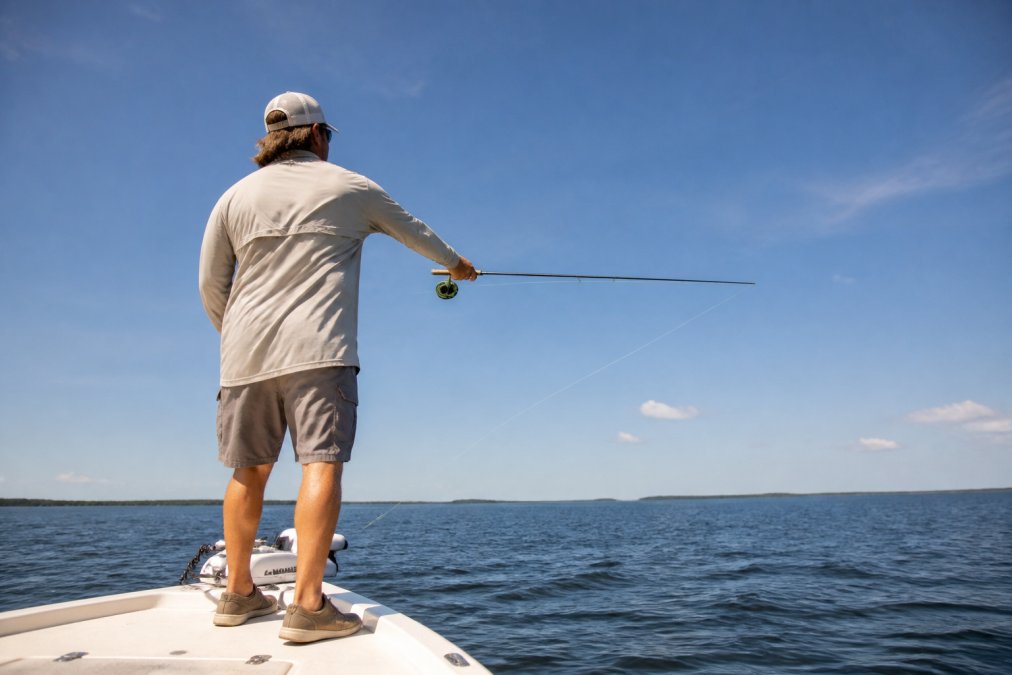
Polyester and nylon dominate the performance sun shirt category for good reason. Both are tightly woven synthetic fibers that maintain their UV-blocking structure whether dry or soaked with sweat. Polyester is the more common choice because it holds color well, resists shrinking, and wicks moisture efficiently. Nylon tends to be softer and more abrasion-resistant.
Look for fabrics with breathability features or ventilation panels built into the design. Flatlock seams reduce chafing during extended wear, and four-way stretchable fabric allows full range of motion.
Synthetic vs. Natural Fibers: Which Performs Better Outdoors
Natural fibers like cotton and bamboo are the wrong choice for all-day sun exposure in heat and humidity. Cotton absorbs moisture and holds it, and loses most of its UPF rating when wet, which defeats the purpose entirely.
Synthetic fibers win on every technical metric that matters:
- Drying speed: Polyester and nylon dry in a fraction of the time cotton requires
- UPF retention when wet: Quality synthetics maintain their UV-blocking capability even when saturated
- Weight: Performance synthetics are significantly lighter than equivalent cotton garments
- Odor management: Many synthetics incorporate anti-microbial treatments that natural fibers cannot replicate
Merino wool is the one natural fiber that genuinely competes. It wicks moisture, resists odor naturally, and provides real UV protection. The tradeoff is cost and care requirements. For most outdoor applications, high-quality synthetic fabrics offer better performance at a lower price point.
Environmental Impact of Synthetic Sun Shirt Fabrics
Synthetic fabrics like polyester and nylon are derived from petroleum-based materials and shed microplastics during washing. The outdoor industry has responded with a growing range of shirts made from recycled materials, including recycled polyester derived from post-consumer plastic bottles. These fabrics perform comparably to virgin synthetics and carry a smaller environmental footprint.
If environmental impact matters to you, look for certifications like bluesign or OEKO-TEX on the label. These indicate the fabric has been produced with reduced chemical use and environmental impact.
How to Choose the Right Fit for All-Day Sun Exposure
Fit is where most people make a costly mistake. They buy a sun shirt in their regular size and wonder why it's uncomfortable after four hours on the water. A sun shirt needs to be loose enough to allow airflow between the fabric and your skin. That air gap is part of the thermal regulation system.
The practical rule: size up one from your regular shirt size if you're between sizes, and prioritize shoulder and arm mobility over chest fit. You should be able to raise both arms fully overhead without the shirt pulling out of your waistband.
Sizing for Diverse Body Types: What to Actually Look For
Standard outdoor apparel sizing has historically been built around a narrow range of body proportions. Here's what to actually check before buying:
| Body Type Consideration | What to Look For | Red Flag |
|---|---|---|
| Broad shoulders / athletic build | Articulated shoulder seams, stretch fabric | Seams that pull across the back |
| Longer torso | Extended back hem, shirt tail cut | Short hem that rides up when casting |
| Fuller chest or midsection | Relaxed fit or performance fit options | "Athletic fit" labels on non-stretch fabric |
| Shorter arms | Adjustable cuffs, not fixed long sleeves | Fixed cuffs that bunch at the wrist |
| Larger sizes | Proportional chest and sleeve scaling | Sizes where only the width increases |
Women's sun shirts deserve specific mention. A common complaint from women who hunt and fish is that "women's" versions are simply narrower men's shirts with a different color. A genuinely women's-cut sun shirt has a higher armhole, a different shoulder slope, and often a slightly shorter sleeve length.
Key Features That Separate Good Long Sleeve Sun Shirts from Great Ones
Most breathable long sleeve sun shirts will block UV radiation. The features below are what separate shirts that hold up for a single season from ones that become your go-to for years.
Anti-Microbial and Odor-Resistant Technology
Eight hours of hard sun exposure means significant sweat. Anti-microbial treatments in the fabric prevent the bacteria that cause odor from multiplying, which means the shirt stays fresher longer between washes. This matters practically: if you're on a three-day fishing trip, you want to get multiple wears out of one shirt.
Most anti-microbial treatments are applied to the fabric during manufacturing. The key question is whether the treatment is permanent or wash-degradable. Permanent anti-microbial treatments are bonded to the fiber and survive repeated washing.
Layering Strategies for Extreme Heat and Humidity
The correct approach to extreme heat is a layering system built for heat, not cold:
- Base layer: A lightweight, moisture-wicking long sleeve sun shirt rated UPF 50+. This is your primary sun shield and sweat management layer.
- Ventilation strategy: Choose shirts with mesh-lined underarms or back ventilation panels. These create airflow without sacrificing coverage.
- Outer layer (optional): A lightweight, open-weave overshirt worn unbuttoned over the base layer adds shade without trapping heat.
The key insight: two lightweight layers often feel cooler than one medium-weight layer because the air gap between them creates insulation against radiant heat from above.
Skin Sensitivity and Fabric Chemical Safety
Skin sensitivity is a legitimate concern that outdoor gear guides routinely ignore. Some people react to the dyes, finishing chemicals, or anti-microbial treatments used in performance fabrics. The reaction can range from mild irritation to a significant rash.
What to look for if you have sensitive skin:
- OEKO-TEX Standard 100 certification: This certification indicates the fabric has been tested for harmful substances, including certain dyes, formaldehyde, and heavy metals.
- Bluesign certification: Focuses on responsible manufacturing and chemical use throughout the production process.
- Fragrance-free construction: Some performance fabrics incorporate fragrance to mask manufacturing odors. These can be irritating for sensitive skin.
If you've had reactions to synthetic performance fabrics before, merino wool sun shirts are worth the premium. Merino is naturally hypoallergenic for most people and doesn't require chemical anti-microbial treatments to resist odor.
How to Wash Sun Protection Shirts Without Losing UPF
Washing is where most people unknowingly degrade their sun shirts. The UPF rating of a garment is determined by the fabric's structure and any UV-absorbing treatments applied during manufacturing. Both can be damaged by harsh washing practices.
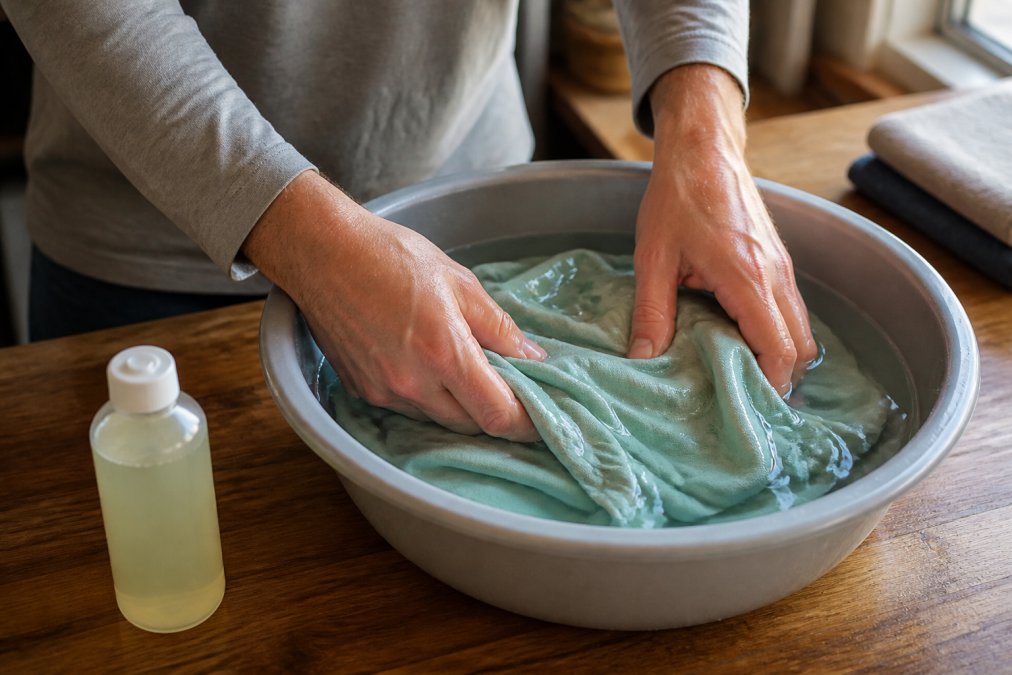
The right approach to washing long sleeve sun shirts is straightforward:
- Use cold water. Hot water breaks down elastic fibers and can degrade UV-absorbing treatments faster than cold water.
- Choose a gentle, fragrance-free detergent. Harsh detergents strip fabric treatments. Avoid anything with bleach or optical brighteners.
- Skip the dryer when possible. High heat is the single biggest enemy of performance fabric longevity. Air drying extends the life of both the fabric structure and any applied treatments.
- Wash inside out. This protects the outer surface of the fabric from abrasion and preserves color.
- Don't use fabric softener. Fabric softener coats fibers and can reduce moisture-wicking performance.
Most quality sun shirts are rated for 30 to 50 washes with proper care. Following the care label instructions isn't optional if you want the shirt to perform as rated.
| Washing Mistake | Effect on Sun Shirt | Fix |
|---|---|---|
| Hot water wash | Degrades UV-absorbing treatments, shrinks fabric | Use cold water only |
| Bleach or harsh detergent | Strips UPF treatments, weakens fibers | Switch to gentle, fragrance-free detergent |
| Machine dryer on high heat | Breaks down elastic fibers, reduces stretch | Air dry or use low heat setting |
| Fabric softener | Reduces moisture-wicking performance | Eliminate entirely from sun shirt care |
| Washing right-side out | Abrades outer fabric surface, fades color | Always wash inside out |
Spending a full day outdoors in the sun without the right gear isn't just uncomfortable, it's a real health risk that compounds over time. Backwater Outfitters is built for exactly the kind of people who are out there eight hours a day in the heat: anglers, hunters, and outdoor enthusiasts who need gear that actually performs when conditions get brutal. Our apparel is designed around the real demands of outdoor life, not marketing shots taken on a perfect day. Subscribe to our emails to get gear advice, new arrivals, and field-tested recommendations sent directly to your inbox.
Frequently Asked Questions
Do long sleeve sun shirts actually keep you cool in hot weather?
Yes, when made from the right fabrics. Long sleeve sun shirts built with moisture-wicking, quick-dry synthetic fibers actively pull sweat away from your skin and allow airflow across the fabric surface. This evaporative cooling effect can make you feel more comfortable than bare skin in direct sun, because the shirt also blocks radiant heat from UVA and UVB rays. Look for lightweight, breathable fabric with flatlock seams and a relaxed or vented design for the best thermal regulation on hot days.
What does UPF 50+ mean for sun shirts?
UPF stands for ultraviolet protection factor. A UPF 50+ rating means the fabric blocks more than 98% of UVA and UVB rays from reaching your skin. For context, a standard white cotton T-shirt typically rates around UPF 5-7. Sun-protective clothing rated UPF 50+ is the highest standard recognized by the Skin Cancer Foundation and is the benchmark you should look for in any long sleeve sun shirt used for fishing, hiking, or other extended outdoor activities.
Are synthetic or natural fabrics better for sun protection shirts?
Synthetic fabrics, like polyester and nylon, generally outperform natural fibers for sun protection and moisture management. They hold their UPF rating when wet, dry faster, and resist odor better during long days outdoors. Natural fibers like cotton can feel soft but lose significant UV-blocking ability when damp with sweat. Some blends combine recycled polyester with a small percentage of natural fiber for comfort without sacrificing performance. For fishing or any activity involving water and sweat, synthetic or synthetic-blend fabrics are the more reliable choice.
How often should you wash sun protection shirts, and will washing reduce UPF?
Washing sun protection shirts after each heavy use session is good practice for odor control and fabric longevity. Repeated washing can gradually reduce UPF ratings, especially if you use harsh detergents, hot water, or a dryer on high heat. To preserve the UV-blocking properties, wash in cool or warm water on a gentle cycle, use a mild detergent without optical brighteners, and air-dry or tumble dry on low. Avoid fabric softeners, which can coat synthetic fibers and reduce breathability and moisture-wicking performance over time.
This article was written using GrandRanker