

Is Expensive Hunting Gear Worth It: A 2026 Analysis
Table of Contents
- The True Cost of Hunting Gear: Beyond the Price Tag
- Performance vs. Price Ratio: What Actually Matters
- Best Hunting Gear for Beginners: Where to Invest First
- Budget vs Performance Hunting Clothing: The Real Differences
- Is Sitka Gear Worth It: Premium Brand Analysis
- Durability and Long-term Value: The Cost-Per-Use Calculation
- When to Splurge and When to Save on Hunting Apparel
- Conclusion
Last Updated: August 10, 2026
The True Cost of Hunting Gear: Beyond the Price Tag
Is expensive hunting gear worth it? The answer depends on cost-per-use, what you actually pay for each day in the field. A hunter who spends $800 on a premium layering system and uses it for 60 days over five seasons pays $13.33 per use. Someone who buys cheaper gear that wears out after two seasons might spend $300 twice, totaling $600 for the same 60 days, $10 per use, seemingly cheaper until the gear fails mid-hunt and forces an inconvenient replacement.
Backwater Outfitters understands this calculation because we build gear for people who live outdoors. When you're relying on your apparel in harsh conditions, you quickly learn that the cheapest option rarely becomes the best option. This guide breaks down when expensive hunting gear actually delivers value and when you're paying for brand prestige instead of performance.
Expensive hunting gear worth it depends on three factors: your hunting style, your climate, and how many seasons you plan to hunt. A weekend warrior in mild conditions has different needs than someone spending 100+ days annually in extreme weather.
Performance vs. Price Ratio: What Actually Matters
Premium brands typically charge more for three legitimate reasons: advanced materials like merino wool or proprietary synthetic insulation, superior construction with reinforced seams and articulated fit, and research-backed design that solves specific problems. But some expensive gear simply charges more because of brand recognition.
A mid-range layering system from a solid outdoor brand might deliver 85% of the performance of a premium system at 60% of the cost. That's often the sweet spot for most hunters. The remaining 15% of performance matters only if you hunt in extreme conditions or spend more than 60 days annually in the field.
Consider moisture-wicking capability. Budget base layers often use polyester that works adequately for moderate activity. Premium merino wool or advanced synthetics wick moisture faster and regulate temperature more effectively during high-exertion hunting. If you're stationary hunting, the difference is minimal. If you're hiking to a remote location carrying 40 pounds of gear, that moisture management becomes the difference between comfort and misery.
The waterproof and windproof outer shell tells a similar story. A durable water repellent coating on a budget shell might last two seasons. A premium shell with advanced membrane technology lasts five. But if you hunt only 10 days per year, that budget shell covers your needs for a decade in real time.
Expensive hunting gear worth it when the performance gap justifies the price difference multiplied by how many seasons you'll actually use it.
Best Hunting Gear for Beginners: Where to Invest First
New hunters often make the mistake of buying complete gear systems at once. Strategic investment in the right pieces delivers better results than spreading budget across mediocre gear.
Start with a foundation layering system: a quality base layer (moisture-wicking mid-weight), a mid-layer for insulation (fleece or synthetic), and a windproof outer shell. These three pieces work together to manage temperature and moisture across different activity levels and weather conditions.
For best hunting gear for beginners, prioritize the base layer first. This is the piece touching your skin for 8+ hours. A poor-quality base layer causes discomfort that ruins your hunt. A good one manages sweat and keeps you dry even during the hike to your hunting spot. Budget $80-150 for a quality merino wool or advanced synthetic base layer that will last multiple seasons.
Next, invest in proper footwear. Uncomfortable feet end hunts early. Boots designed for hunting terrain with proper ankle support, insulation for cold conditions, and waterproofing for wet environments are non-negotiable.
The outer shell comes third. A windproof, water-resistant jacket protects your layering system. You don't need the most expensive option; a mid-range jacket from a reputable outdoor brand works well for most beginners.
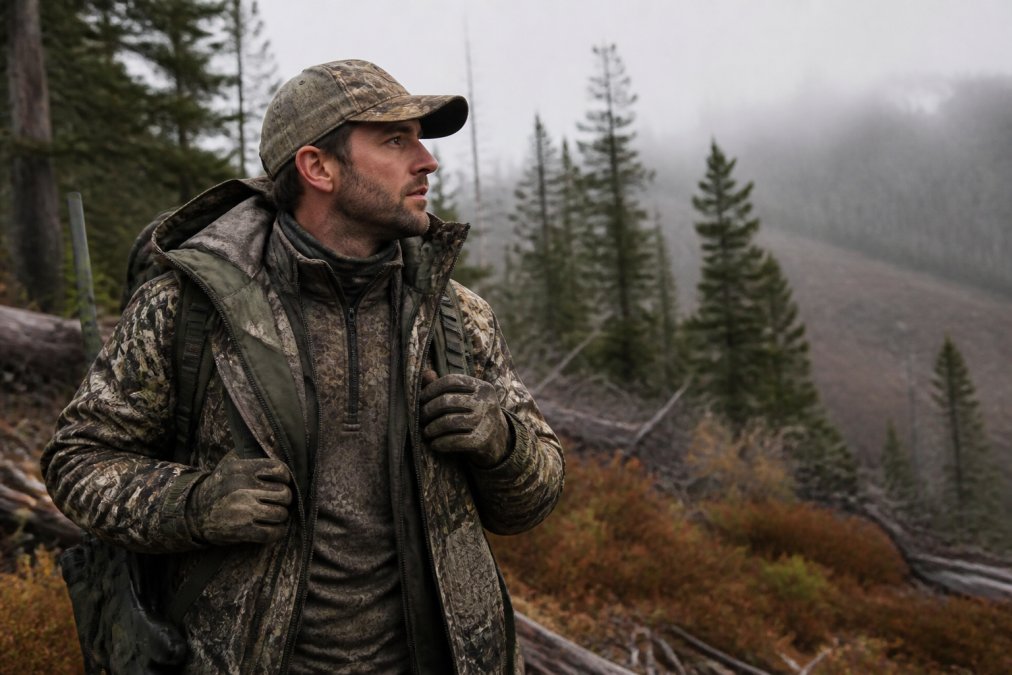
Pants come fourth. Durable, comfortable hunting pants with adequate pockets and quiet fabric (crucial for stealth) matter more than premium branding. Look for abrasion-resistant material and articulated fit that allows movement without excessive fabric.
Most beginners benefit more from solid mid-range gear across all categories than from premium gear in some categories and budget gear in others. The layering system works as a unit, and weak points undermine the whole setup.
Budget vs Performance Hunting Clothing: The Real Differences
Budget hunting clothing prioritizes cost reduction. Performance hunting clothing prioritizes field results. Understanding the specific differences helps you identify which category a product actually falls into.
Budget gear typically uses basic polyester or cotton blends for base layers. These materials absorb moisture rather than wick it. Cotton is especially problematic, it holds moisture and loses insulation value when wet. Performance gear uses merino wool, advanced synthetic blends, or proprietary moisture-wicking fabrics engineered to move sweat away from your skin. After a steep hike to your hunting spot, budget base layers leave you damp and chilled. Performance base layers leave you dry and ready to hunt.
Seam construction reveals another gap. Budget gear uses simple stitching that fails under stress. Performance gear uses reinforced seams, often with sealed or taped construction that prevents water penetration and withstands repetitive movement. After two seasons of hard use, budget seams separate. Performance seams remain intact.
Articulated fit separates budget from performance in how gear functions. Budget clothing uses straight cuts that bunch at joints and restrict movement. Performance gear is engineered with articulated cuts that follow your body's natural movement, reducing fatigue and eliminating excess fabric noise.
Budget insulation uses basic synthetic or down that provides one temperature range. Performance insulation uses layering-compatible materials that work across multiple temperature ranges when combined properly. This flexibility matters because hunting conditions change throughout the day.
The honest truth: budget gear works for occasional hunters in moderate conditions. If you hunt fewer than 20 days per year in temperatures above 30 degrees Fahrenheit, budget clothing handles the job. If you hunt more frequently, in colder climates, or in high-exertion situations, performance gear delivers measurable advantages that justify the cost.
Is Sitka Gear Worth It: Premium Brand Analysis
Sitka represents the premium end of hunting apparel. Understanding why this brand commands higher prices reveals what expensive hunting gear worth it actually means.
Sitka focuses on technical performance for serious hunters. Their designs address specific problems: noise reduction through quiet fabric engineering, thermal regulation across extreme temperature ranges, and durability for harsh field conditions. The brand invests heavily in research and testing, which increases development costs and justifies higher retail prices.
Premium brand analysis requires examining what you actually get for the extra cost. Sitka's base layers use advanced synthetic materials engineered for moisture management and temperature regulation. Their outer shells use proprietary fabric and construction methods that outperform standard options.
The seam construction on premium gear like Sitka uses reinforced stitching and sealed construction that prevents water penetration and handles stress better than budget alternatives. Articulated fit on premium hunting apparel reduces fatigue and improves stealth by addressing hunting-specific movements rather than general outdoor activity.
Is Sitka gear worth it depends on your hunting intensity and conditions. For hunters spending 60+ days annually in challenging conditions, premium gear delivers measurable advantages. For occasional hunters in moderate climates, the premium price exceeds the performance benefit you'll actually experience.
Premium gear also holds resale value better. If you buy Sitka gear and decide to sell it after a season, you recover a higher percentage of your original cost than with budget alternatives.
Durability and Long-term Value: The Cost-Per-Use Calculation
Durability transforms the value equation. A $600 jacket that lasts five seasons costs $120 per season. A $300 jacket that lasts two seasons costs $150 per season. The expensive option becomes the cheaper option when you account for longevity.
Durable water repellent coatings on premium gear maintain effectiveness through 20-30 wash cycles. Budget coatings degrade after 5-10 cycles. If you wash your hunting gear monthly during the season, premium gear maintains water shedding capability for years. Budget gear loses function and requires replacement sooner.
Seam durability matters more than people realize. Reinforced seams on quality gear withstand thousands of flex cycles without separating. Basic stitching on budget gear fails after hundreds of cycles. A single seam failure can ruin a jacket in the field and force expensive replacement mid-season.
Fabric abrasion resistance determines how long gear survives field use. Premium synthetic materials resist tearing and puncturing better than budget alternatives.
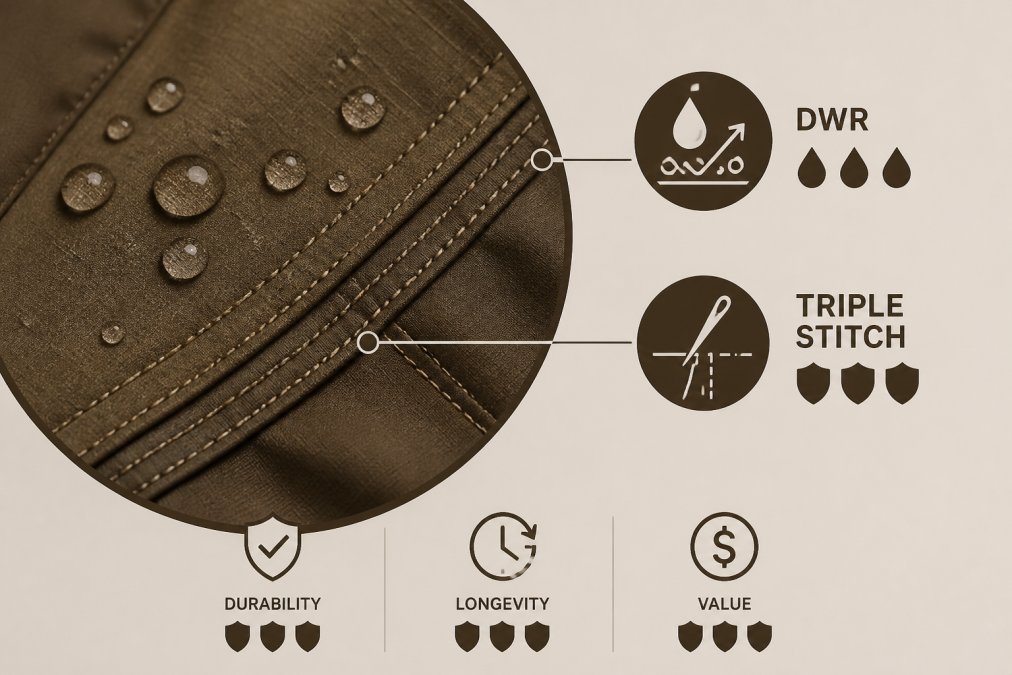
Track your actual usage: how many days per year, how many seasons you expect to hunt, how many wash cycles the gear will endure. A $400 premium base layer used 60 days per year for five seasons costs $1.33 per day. A $150 budget base layer used 60 days per year for two seasons costs $1.25 per day, seemingly cheaper until you factor in replacement hassle and the certainty that you'll need new gear sooner.
Premium gear often requires specific washing procedures to maintain performance. If you're willing to invest time in proper care, premium gear delivers better long-term value.
When to Splurge and When to Save on Hunting Apparel
Strategic spending on hunting apparel requires understanding which gear categories deliver the most value.
Splurge on base layers and boots. These pieces contact your body directly and determine comfort for the entire hunt. Premium base layers with superior moisture-wicking and thermal regulation prevent the misery of being cold and damp. Quality boots prevent blisters and foot pain that forces you to leave early.
Splurge on outer shells if you hunt in wet or extreme conditions regularly. A premium waterproof, breathable shell maintains performance across multiple seasons. Budget shells lose water shedding capability quickly.
Save on casual hunting pants if you hunt in moderate conditions. Mid-range pants with adequate pockets and quiet fabric work well for most situations. Save on accessories like hats, gloves, and socks, budget options work fine here.
Consider your climate zone carefully. Hunters in mild regions benefit less from premium insulation. Hunters in cold climates see better returns on premium thermal regulation.
Hunting style determines where spending delivers value. Stationary hunters (tree stand, blind) need comfort and thermal regulation more than durability. High-exertion hunters (spot-and-stalk, hiking) need lightweight, breathable gear that manages moisture effectively.
Frequency drives the equation. Hunt 100 days per year? Premium gear pays for itself through durability and resale value. Hunt 10 days per year? Mid-range gear delivers better value.
At Backwater Outfitters, we believe smart spending means matching gear quality to your actual needs, not buying the most expensive option or the cheapest alternative.
Is expensive hunting gear worth it? Yes, when you match the gear quality to your specific hunting style, climate, and frequency. No, when you buy premium gear for occasional use in mild conditions or budget gear for intensive use in harsh environments.
Most hunters benefit from premium base layers and boots, mid-range outer shells and pants, and strategic upgrades in specific categories based on their actual conditions. Calculate your cost-per-use, assess your durability needs, and invest accordingly. Backwater Outfitters gear is designed for hunters who understand this balance, quality construction that lasts, thoughtful design that performs in real conditions, and pricing that reflects actual value rather than brand prestige. Start with the foundation, upgrade strategically, and you'll build a gear collection that serves you well for years of hunting.
Frequently Asked Questions
Does expensive hunting gear actually improve your success rate in the field?
Premium hunting gear improves comfort, mobility, and thermal regulation, which keeps you focused and in the field longer. Better weather resistance and stealth features reduce distractions, but skill and strategy remain the primary success factors. Expensive gear won't compensate for poor positioning or lack of knowledge, but quality apparel supports the conditions needed for patience and performance during long hunts.
Which pieces of hunting gear are worth spending more on?
Base layers and outer shells justify premium investment because they directly affect your ability to stay warm, dry, and comfortable during extended field time. Quality insulation and weather-resistant fabrics reduce the need for constant adjustment. Boots and gloves also merit higher spending since they take direct abuse and impact your dexterity and endurance. Mid-layer pieces and accessories can often be budget-friendly without sacrificing function.
How do I calculate the actual value of expensive hunting gear?
Use cost-per-use: divide the total price by the number of hunting days you'll wear it over its lifespan. A $300 jacket worn 30 days per season for 5 years costs $2 per use. Compare this to a $100 jacket lasting 1 season (30 uses = $3.33 per use). Factor in resale value and maintenance costs. Premium gear with better durability, articulated fit, and abrasion resistance often wins on cost-per-use even at higher upfront prices.
What's the difference between budget and premium hunting clothing?
Premium hunting clothing uses advanced synthetic insulation, moisture-wicking base layers, and durable water repellent finishes that maintain performance through repeated washing. Better seam construction, articulated fit for mobility, and quiet fabrics improve field comfort. Budget options sacrifice thermal regulation consistency, breathability, and longevity. Premium brands invest in specific hunt-type requirements (stationary vs. high-exertion), while budget gear takes a one-size-fits-all approach.
This article was written using GrandRanker