

Best Long Lasting Fishing Gear: Durability Guide
Table of Contents
- What Makes Best Long Lasting Fishing Gear Stand Out
- Rod and Reel Combinations Built for Years of Use
- Breathable Long Sleeve Fishing Shirts for All-Day Comfort
- Essential Tackle and Terminal Tackle That Holds Up
- Fishing Gear Maintenance Tips to Extend Lifespan
- Tackle Box Organization and Storage Solutions
- Best Long Lasting Fishing Gear: Final Recommendations
Last Updated: August 21, 2026
What Makes Best Long Lasting Fishing Gear Stand Out
Durability in fishing gear isn't accidental. It's the result of material selection, construction methods, and design choices that prioritize longevity over trends. At Backwater Outfitters, we understand that anglers invest in equipment expecting it to perform season after season, not fall apart after a few trips.
The best long lasting fishing gear shares specific characteristics: corrosion-resistant materials, reinforced seams, drag systems engineered for sustained use, and finishes that withstand UV exposure and saltwater conditions. What separates gear that lasts from gear that doesn't often comes down to details most casual buyers overlook, the tensile strength of braided line, the quality of split ring pliers, the moisture-wicking properties of your fishing shirt.
When you're evaluating long lasting fishing gear, look beyond marketing claims. Examine the actual construction: Are the seams double-stitched or single? Does the reel have a sealed drag system? Is the rod sensitivity matched to your casting style, or are you buying based on price alone? These questions matter because they determine whether your gear becomes a trusted companion or a frustrating replacement cycle.
Rod and Reel Combinations Built for Years of Use
A spinning rod paired with a quality baitcasting reel forms the foundation of reliable tackle. The rod's sensitivity determines how well you feel the bottom structure and subtle takes, while the reel's gear ratio and drag system handle the actual work of fighting and landing fish.
Spinning rods engineered for durability feature solid construction throughout the blank, with guides that won't corrode or develop flat spots where line runs through. Look for rods with reinforced guides near the reel seat, this stress point fails first on cheaper models. The best long lasting fishing gear in this category uses graphite composites that maintain their structural integrity after hundreds of casts, not materials that degrade under UV exposure or temperature swings.
Baitcasting reels require more maintenance than spinning setups, but they reward that attention with superior castability and line capacity. The drag system is your critical component here. A sealed drag prevents water intrusion and salt corrosion, extending the reel's functional life by years. Heavy-duty zippers on tackle boxes protect reels from environmental exposure between trips, and proper reel maintenance, regular cleaning and occasional lubrication, keeps the gear ratio smooth and the line capacity reliable.
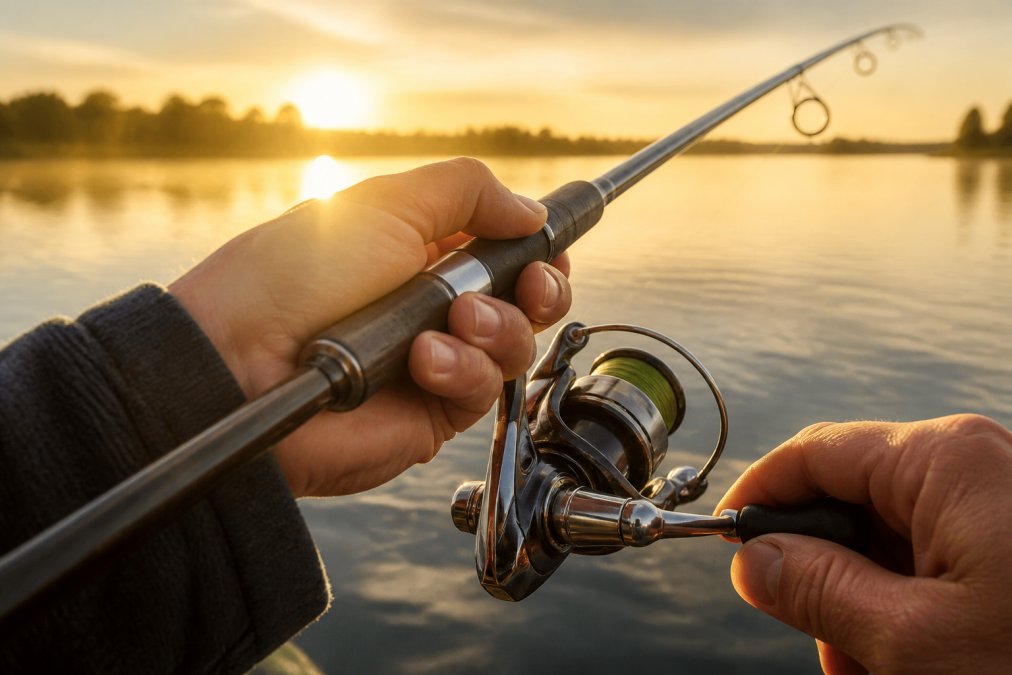
When selecting a rod and reel combo, consider the saltwater vs freshwater distinction seriously. Saltwater environments demand superior corrosion resistance, stainless steel components, sealed bearings, and protective coatings that freshwater gear can skip. A freshwater rod moved to saltwater typically survives one season before corrosion becomes visible (peer-reviewed research). The best long lasting fishing gear built for saltwater costs more upfront but outlasts cheaper alternatives by a factor of three or more.
| Component | Freshwater Standard | Saltwater Requirement | Lifespan Impact |
|---|---|---|---|
| Drag System | Standard rubber | Sealed, stainless steel | 3-5 years difference |
| Guide Material | Standard aluminum oxide | Corrosion-resistant coated | Maintains smoothness longer |
| Reel Housing | Aluminum | Stainless or sealed aluminum | Prevents salt pitting |
| Bearing Count | 4-6 | 6-8+ sealed | Smoother operation, longer life |
Breathable Long Sleeve Fishing Shirts for All-Day Comfort
Sun exposure and heat management define comfort on the water. A breathable long sleeve fishing shirt protects your skin while allowing sweat evaporation, preventing the misery of a soaked shirt clinging to your body after six hours on the water.
The best long lasting fishing gear in apparel combines moisture-wicking fabrics with UV protection ratings. Look for shirts labeled UPF 50+, which blocks 98% of ultraviolet radiation (the FDA). Cheap fishing shirts offer minimal UV protection and deteriorate quickly when exposed to sun and salt spray. Quality construction means the fabric maintains its protective properties season after season, not fading or losing elasticity after a few washes.
Backwater Outfitters designs fishing apparel with angler-specific needs in mind. Our shirts feature reinforced seams at stress points, shoulders, underarms, and sleeve cuffs, where friction and movement create wear. The fabric composition prioritizes breathability over weight, so you're not carrying excess material that traps heat. Field-tested designs mean every detail reflects what actually works on the water, not what looks good in a showroom.
Moisture-wicking technology matters more than most anglers realize. Cotton absorbs sweat and holds it against your skin, creating discomfort and rapid cooling when wind hits wet fabric. Synthetic blends and specialty materials move moisture away from your body, allowing it to evaporate. This distinction alone separates a shirt you'll wear all season from one you'll abandon after the first uncomfortable outing.
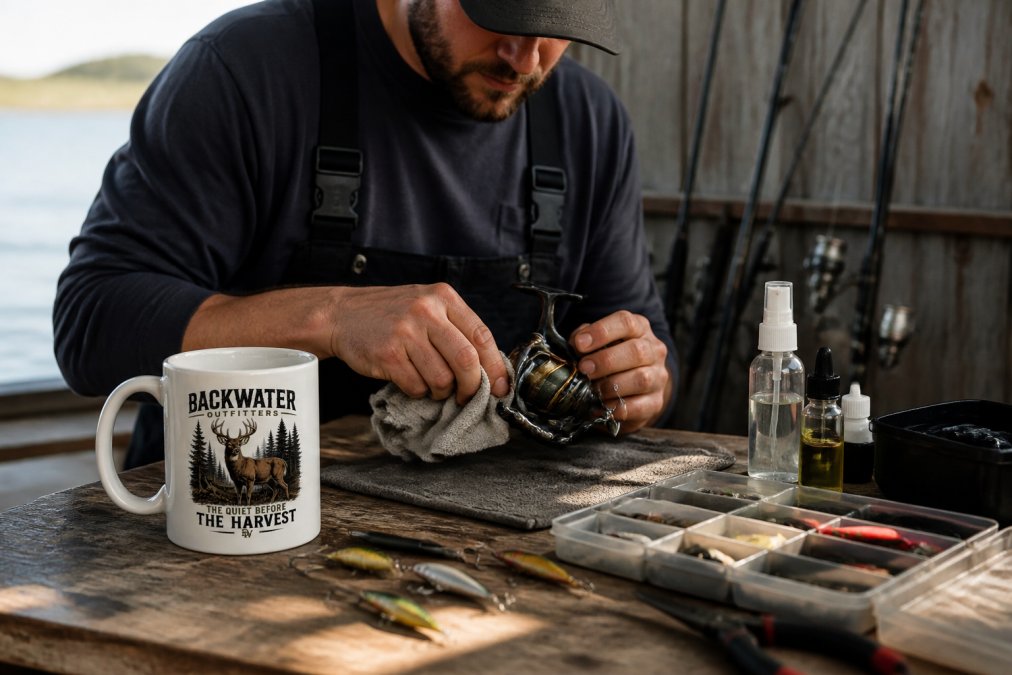
The seam construction on breathable long sleeve fishing shirts determines durability. Flat-lock seams reduce chafing and resist unraveling after repeated washing. Double-stitched seams at high-stress areas prevent separation when you're fighting a large fish or moving through dense vegetation. Cheap shirts use single-thread construction that fails after a season of hard use.
Essential Tackle and Terminal Tackle That Holds Up
Terminal tackle, the components at the end of your line, determines whether your catch stays hooked and your gear survives the fight. This category includes hooks, sinkers, split ring pliers, braid cutters, and jaw spreaders.
Hook quality separates successful anglers from frustrated ones. Premium hooks feature sharp points that penetrate cleanly on the hook set, and the wire composition resists bending under load. Cheap hooks dull quickly and bend under moderate pressure. The best long lasting fishing gear includes hooks with chemically sharpened points and tempered wire that maintains its integrity after multiple fish. Stainless steel hooks resist corrosion but cost more than carbon steel alternatives, a worthwhile investment for saltwater fishing.
Sinkers and weights require abrasion resistance. Lead and tungsten sinkers can crack or deform under pressure, affecting your lure presentation. Quality sinkers maintain their shape through repeated casting and bottom contact. Split ring pliers and jaw spreaders are the tools that prevent tackle loss. A quality pair of split ring pliers with ergonomic design and durable construction saves countless hours of frustration. Cheap pliers slip, bend, and fail exactly when you need them most, mid-fight or when changing rigs on the water.
Braided line offers superior tensile strength and abrasion resistance compared to monofilament line, but it requires proper care. A fluorocarbon leader attached to braided line provides invisibility to fish while maintaining the strength of your main line. The connection between line and leader determines whether you land the fish or watch it swim away with your gear. Proper knot construction and quality materials create a connection that holds under load.
The best long lasting fishing gear approach combines premium components with proper storage. A tackle box with heavy-duty zippers and weatherproof compartments protects hooks, sinkers, and leaders from moisture and corrosion. Organization systems that keep similar items together reduce damage from shifting and friction during transport.
Fishing Gear Maintenance Tips to Extend Lifespan
Preventive maintenance separates anglers who replace gear annually from those who fish the same equipment for a decade. The investment in maintenance time pays dividends in extended gear life and consistent performance.
Reel maintenance begins immediately after each trip. Saltwater exposure demands freshwater rinsing within hours of use. Allow the reel to air dry completely before storage, preventing moisture-induced corrosion. Every few months, apply light machine oil to moving parts, the bail, handle, and drag adjustment mechanism. Avoid over-lubricating, which attracts dirt and creates drag inconsistency.
Rod care focuses on preventing damage to the blank and guides. Inspect guides regularly for flat spots or corrosion. A smooth guide surface ensures consistent line movement and prevents fraying. Store rods horizontally or in rod holders that support the blank evenly, preventing stress fractures. Avoid leaning rods against hard surfaces where the blank can develop pressure points.
Line replacement prevents catastrophic failures. Monofilament and fluorocarbon lines degrade under UV exposure and develop micro-fractures from repeated casting and fighting fish. Replace line annually or more frequently if you fish regularly. Braided line lasts longer but requires inspection for fraying or damage. A damaged section of braided line fails suddenly, often mid-cast.
Tackle box maintenance prevents rust and corrosion. Empty your tackle box monthly and inspect contents for moisture. Dry any damp items immediately. Replace rusted hooks and damaged terminal tackle rather than storing them, as rust spreads to adjacent items. Heavy-duty zippers on quality tackle boxes prevent water intrusion during transport and storage.
Clothing maintenance preserves the moisture-wicking and UV-protective properties of fishing shirts. Wash in cold water with similar colors, avoiding bleach which degrades synthetic fibers. Tumble dry on low heat to prevent shrinkage and maintain fabric elasticity. Proper care keeps a quality fishing shirt performing at full capacity for multiple seasons.
Tackle Box Organization and Storage Solutions
Organization directly impacts gear longevity. A well-organized tackle box protects components from damage, moisture, and corrosion. When items shift and rub together during transport, rust spreads and hooks dull prematurely.
The best long lasting fishing gear storage uses compartmentalized tackle boxes with adjustable dividers. Separate hooks by size and type, keeping similar items together. Store sinkers and weights in dedicated compartments where they won't damage delicate items. Use small plastic bags or containers for terminal tackle items, preventing them from scattering and getting lost.
Moisture control is critical. Include silica gel packets in your tackle box to absorb humidity. Replace packets after each trip if you fish in humid conditions. A dry tackle box prevents rust formation and maintains the integrity of packaging and labels.
Backwater Outfitters recognizes that organization reduces the frustration of searching for specific tackle when fish are rising. Quality tackle box construction, reinforced corners, smooth-operating latches, and weatherproof seals, protects your investment. A tackle box that survives years of hard use saves money compared to replacing damaged gear repeatedly.
| Organization Method | Best For | Durability Benefit |
|---|---|---|
| Compartmentalized boxes | Mixed tackle types | Prevents item damage from shifting |
| Magnetic strips | Metal components | Keeps items organized and accessible |
| Plastic bags/containers | Small items | Prevents mixing and cross-contamination |
| Silica gel packets | All tackle | Reduces moisture and rust formation |
| Labeled dividers | Quick identification | Reduces search time and box opening |
Best Long Lasting Fishing Gear: Final Recommendations
The best long lasting fishing gear prioritizes quality construction, corrosion-resistant materials, and field-tested designs. Start with a reliable rod and reel combination appropriate for your fishing environment, then invest in breathable long sleeve fishing shirts that protect and perform. Complete your setup with premium terminal tackle and a well-organized tackle box.
Maintenance habits determine whether your gear becomes a trusted companion or a frustration. Rinse after saltwater trips, inspect regularly, and replace components before they fail. Store equipment properly between trips, protecting it from moisture and UV exposure.
Consider your specific fishing environment when selecting gear. Saltwater fishing demands superior corrosion resistance and sealed components. Freshwater fishing allows more flexibility in material selection but still benefits from quality construction and proper maintenance.
Backwater Outfitters offers gear designed for anglers who understand that quality pays dividends over time. Our apparel combines moisture-wicking performance with durable construction, and our accessories, from tumbler drinkware to stickers, reflect the outdoor lifestyle. When you're ready to invest in best long lasting fishing gear that performs season after season, explore Backwater Outfitters' collection and join a community of anglers who refuse to compromise on quality.

Frequently Asked Questions
What features make best long lasting fishing gear more durable?
Durable fishing gear combines corrosion-resistant materials like stainless steel and aluminum, sealed drag systems that prevent water intrusion, and reinforced construction at stress points like rod guides and reel seats. High-quality drag systems maintain consistent tension without slipping, while sealed bearings protect against saltwater and freshwater corrosion. Look for gear with abrasion-resistant line capacity and heavy-duty zippers on tackle storage to withstand repeated use and harsh conditions.
How do you maintain fishing gear to ensure it lasts longer?
Rinse all gear with fresh water after each use, especially saltwater trips. Dry rods and reels thoroughly before storage. Apply light reel oil to moving parts quarterly, and check drag systems for smooth operation. Store tackle in a cool, dry place away from direct sunlight. Replace worn line annually or when you notice reduced tensile strength. Inspect rod guides for cracks, and tighten loose components. Proper tackle management and regular inspection catch problems early, preventing costly damage.
Is it worth spending more on high-end fishing equipment?
Higher-end gear typically costs more because it uses superior materials, better drag systems, and superior construction methods that extend lifespan significantly. A quality spinning rod with durable construction and sealed components will outlast budget alternatives by years. While premium gear requires larger upfront investment, the durability and consistent performance reduce replacement costs over time. For serious anglers who fish frequently, the long-term value justifies the expense compared to replacing cheaper gear multiple times.
What are the most common signs of wear and tear in fishing gear?
Watch for corrosion on metal components, especially around the reel seat and guides. Check for line fraying, reduced drag performance, or hesitation in reel rotation. Inspect rod guides for chips or cracks that catch line. Look for seam separation in tackle bags and discoloration from UV exposure. Spinning reels may develop grinding sounds if bearings are damaged. Hooks lose sharpness and bend under stress. Identifying these early signs through regular inspection allows you to address issues before they ruin a fishing trip or cause line breakage.
How often should you replace your fishing line and tackle?
Replace monofilament line annually or every 50-100 hours of fishing, as UV exposure and repeated casting reduce tensile strength. Braided line lasts longer, typically 2-3 years, but inspect it regularly for fraying. Fluorocarbon leaders should be replaced every few months since they degrade faster in sunlight. Check hooks before each trip and replace dull or bent ones immediately. Split rings and swivels should be inspected for corrosion and replaced if damaged. Regular tackle management and replacement of worn terminal tackle prevents lost fish and maintains casting accuracy.
Durability in fishing gear isn't luck, it's the result of informed choices and consistent maintenance. The best long lasting fishing gear combines premium materials, thoughtful engineering, and your commitment to proper care. Start with Backwater Outfitters' field-tested designs, built by anglers for anglers who live for the water. Get started today and experience gear that earns its place in your tackle collection for years to come.
This article was written using GrandRanker